IPS (In-Plane Switching) Display Technology
IPS (In-Plane Switching) is a type of LCD (Liquid Crystal Display) technology that is known for providing superior color accuracy, wider viewing angles, and better contrast than traditional display technologies like TN (Twisted Nematic).
How IPS Display Works
In an IPS display, the liquid crystals are aligned parallel to the screen’s surface, rather than twisting as in TN displays. This alignment allows the light to pass through the display more evenly, resulting in better color consistency and wider viewing angles.
1. Liquid Crystal Alignment:
- In IPS displays, the liquid crystals are aligned horizontally (in-plane) rather than rotating (twisting) as in TN displays. This allows the backlight to pass through the crystals more uniformly, producing consistent colors and brightness levels, even when viewed from an angle.
2. Backlight and Color Filters:
- As with all LCDs, IPS displays rely on a backlight source (usually LED), which shines through liquid crystals that control the color and intensity of the image displayed. The display also uses color filters to create the full spectrum of colors.
3. Wide Viewing Angles:
- The primary advantage of IPS is its wide viewing angles. Even when viewed from extreme angles (up to 178° both horizontally and vertically), the display retains its color accuracy and brightness without significant distortion, color shifts, or darkening.
What Are Key Features of IPS LCD Displays
1. Wide Viewing Angles:
- IPS technology provides a wide viewing angle, typically up to 178° both horizontally and vertically. This means that the image remains clear, bright, and consistent from almost any angle.
2. Better Color Reproduction:
- IPS panels produce more accurate, vibrant colors. Because the crystals align more evenly, the light passing through is more controlled, resulting in better color consistency and more lifelike images.
3. Improved Brightness and Contrast:
- Better overall contrast with more balanced brightness levels.
4. Reduced Motion Blur:
- Many modern IPS panels have improved refresh rates and response times, narrowing this gap. IPS technology is increasingly used in gaming monitors and is favored for its color accuracy.
5. Energy Efficiency:
- IPS displays generally use less power than older LCD technologies due to more efficient liquid crystal alignment and the use of LED backlighting.
What Are Types of IPS Display Panels
There are several variations of IPS technology, each designed for different use cases and performance requirements:
1. Standard IPS: excellent color accuracy and viewing angles
2. AH-IPS (Advanced High-Performance IPS): improves the brightness, power consumption, and color accuracy further
3. PLS (Plane-to-Line Switching): similar in performance to traditional IPS but with lower production costs.
4. IPS-NEO: even faster response times and better power efficiency
What Are The Advantages of IPS TFT Displays
1. Wide Viewing Angles: The ability to maintain consistent color and brightness from virtually any angle.
2. Color Accuracy: IPS panels offer superior color reproduction.
3. Better Consistency: The image quality on an IPS display remains consistent, even if you are not directly facing the screen.
4. Good for Multi-monitor Setups: Due to their wide viewing angles and color consistency, IPS displays are ideal for multi-monitor setups where the screens are viewed from various positions.
5. No Color Shifting: IPS panels maintain accurate colors across the entire screen.
Applications of IPS TFT Displays
1. Smartphones
2. Tablets
3. Monitors and TVs
4. Laptops
5. Cameras and Photography
6. Industrial Applications
Summary of Common IPS Display Sizes by Device Type
-Smartphones: 5.0 inches to 6.7 inches
-Tablets: 7.0 inches to 12.9 inches
-Laptops: 13 inches to 17 inches (up to 18 inches for larger laptops)
-Monitors: 21 inches to 32 inches (larger sizes for ultrawide or professional models)
-TVs: 32 inches to 65 inches (more common in mid-range TVs)
-Wearables: 1.28 inches to 2.0 inches (for smartwatches, fitness trackers)
Youritech IPS TFT LCD Display Technology
IPS technology is widely considered one of the best display technologies in terms of color accuracy, wide viewing angles, and image consistency. While IPS displays are generally more expensive than TN panels and not as power-efficient as OLEDs, they remain the preferred choice for users who need color precision, such as in graphic design, video editing, and professional content creation. With continuous advancements in the technology.
What Are The Small Size IPS Displays?
0.23" / 0.42" / 0.48" / 0.49" / 0.50" / 0.59" / 0.60" / 0.61" / 0.63" / 0.66" / 0.71" / 0.84" / 0.89" / / 0.91" / 0.95" / 0.96" / 0.99" / 1.0" / 1.1" / 1.2" / 1.22" / 1.26" / 1.28" / 1.3" / 1.34" / 1.39" / 1.4" / 1.43" / 1.44" / 1.45" / 1.46" / 1.5" / 1.54" / 1.6" / 1.63" / 1.7" / 1.77" 1.8" / 1.9" / 2.0" / 2.1" / 2.2" / 2.3" / 2.4" / 2.5" / 2.6" / 2.7" / 2.8" / 2.9" / 3.0" / 3.1" / 3.2" / 3.3" / 3.4" / 3.5" / 3.6" / 3.7" / 3.8" / 3.9" / 4" / 4.1" / 4.2" / 4.3"
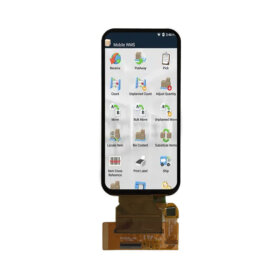
ET044AM01-HT OLED Display
4.4 Inch OLCD Display 568×1210 MIPI High Brightness 600nits AMOLED Display With On-Cell Touch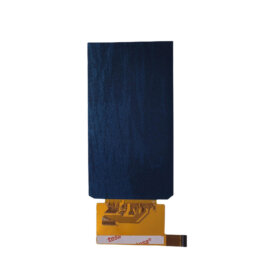
ET043AM01-A Displays
4.3 Inch OLCD Display 540×960 MIPI AMOLED Display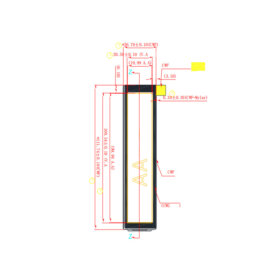
ET-G1323TC101FF-002 Displays
4 Inch OLCD Display 960×160 MIPI AMOLED Display With Capacitive Touch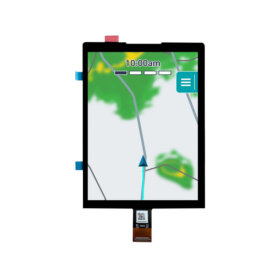
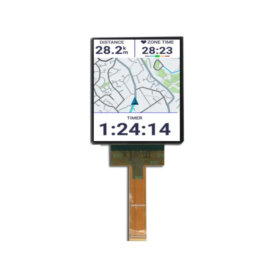
ET038AM01-R Displays
3.81 Inch OLCD Display 1080×1200 MIPI AMOLED Display For HMD VR AR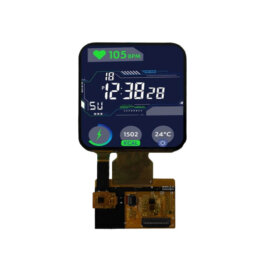
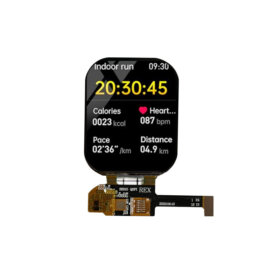
ET020AM01-H OLED Display
2 Inch OLCD Display 240×296 SPI High Brightness 500nits AMOLED Display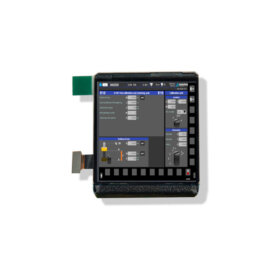
ET016AM01-TV OLED Display
1.63 Inch OLCD Display 320×320 MIPI AMOLED Square Display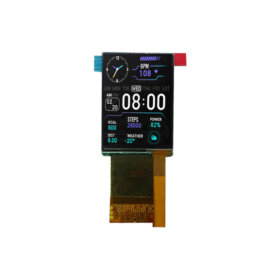
ET015AM01-GT Displays
1.45 Inch OLCD Display 272×340 MIPI AMOLED Display With Capacitive Touch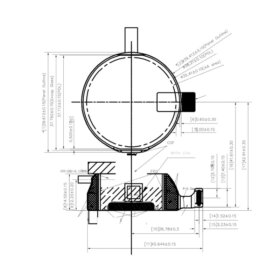
ET014WVC01-T OLED Display
1.39 Inch OLCD Display 454×454 MIPI CPU SPI AMOLED Circular Display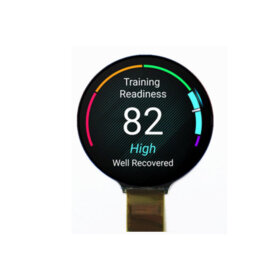
ET013AM01-J Displays
1.3 Inch OLCD Display 360×360 SPI AMOLED Circular Display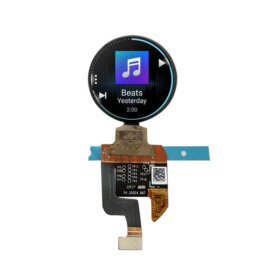
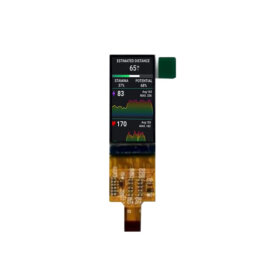
ET095XVT-01 Displays
ET095XVT-01 0.95 Inch OLCD Display 120×240 SPI AMOLED Display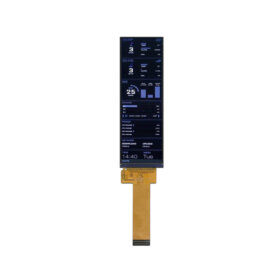

ET043WV01-S LCD Display
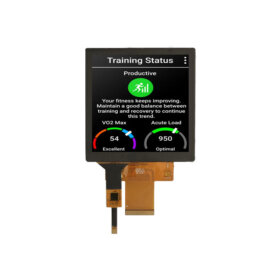
4.3 Inch Wide Temperature LCD Display 800×480 TTL -30°C to 85°C TFT LCD Display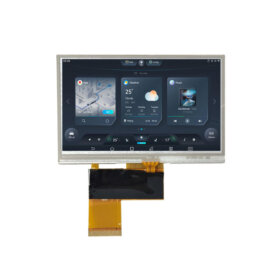
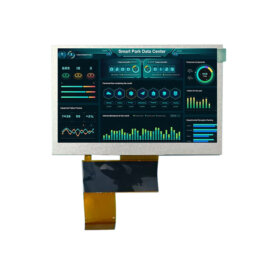
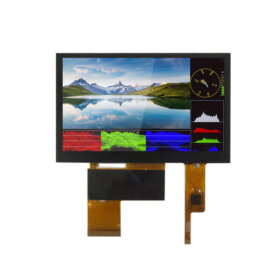
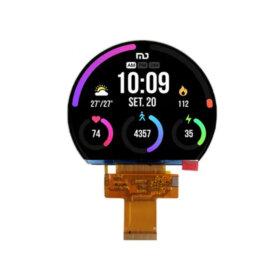
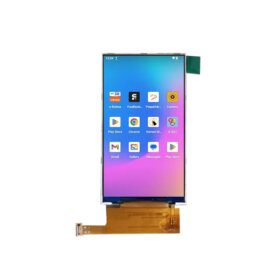
ET035FW01-XH Displays
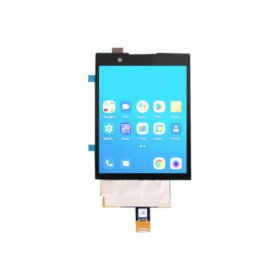
3.5 Inch Wide Temperature LCD Display 480×854 MIPI -30°C to 70°C TFT LCD Display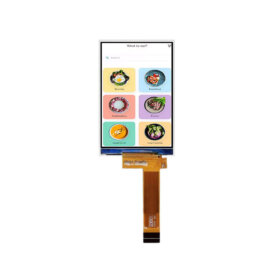
ET035HV01-Z Displays
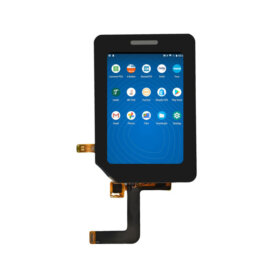
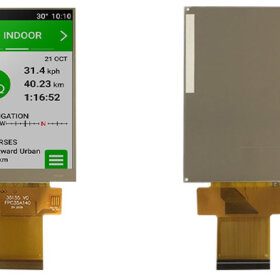
3.5 Inch Wide Temperature LCD Display 320×480 MIPI -30°C to 70°C TFT LCD Display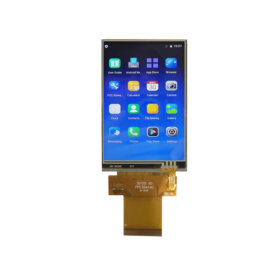
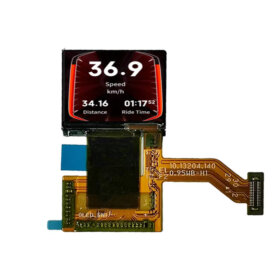
E0954AK1.A OLED Display
E0954AK1.A 0.95 Inch OLCD Display 180×120 SPI AMOLED Display With On-Cell Touch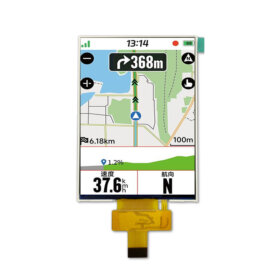
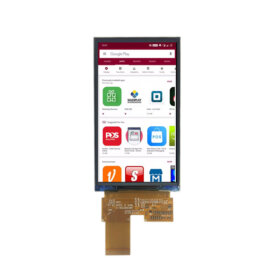
ET033FW01-O Displays
3.3 Inch Wide Temperature OLCD Display 480×854 CPU RGB -40°C to 70°C AMOLED Display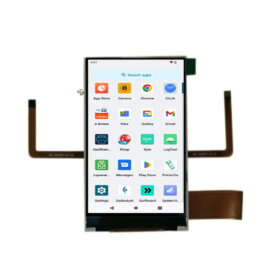
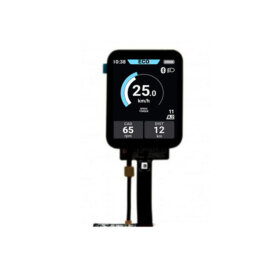
ET030WT01-HGT LCD Display
3 Inch Wide Temperature OLCD Display 1080×1200 MIPI -40°C to 85°C AMOLED Display With Capacitive Touch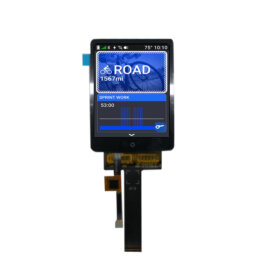
ET030WT01-ZC OLED Display
3 Inch Wide Temperature OLCD Display 1080×1200 MIPI -40°C to 85°C AMOLED Display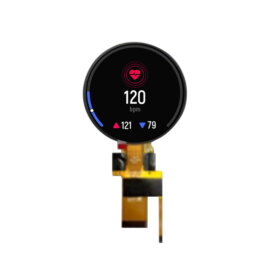
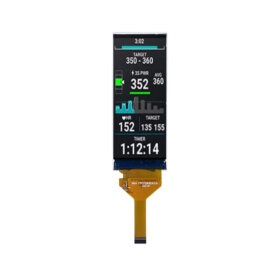
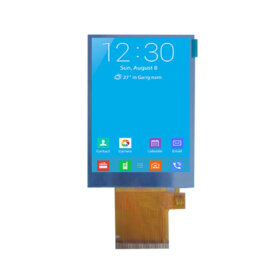
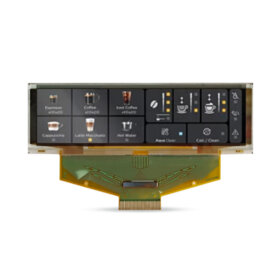
ET028WT01-J OLED Display
2.8 Inch Wide Temperature OLED Display 256×64 CPU SPI -40°C to 85°C PMOLED Display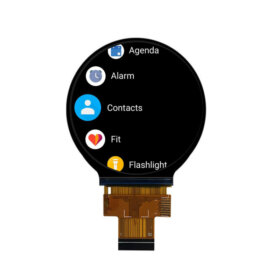 2.1 Inch Circular Display IPS 480x480 ST7701S MIPI 2 LANE TFT LCD Display
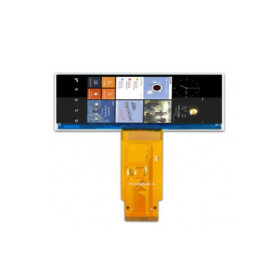
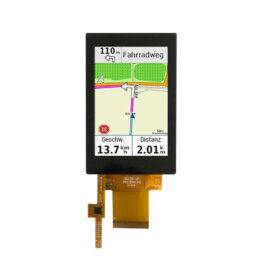
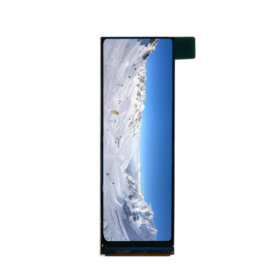 Factory 3 inch Bar LCD Display 268x800 IPS LCD Panel With MIPI Interface LCD Screen
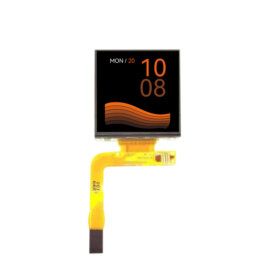 LPM015M135A JDI 1.5 Inch 200x228 Reflective TFT LCD Display For Wearable
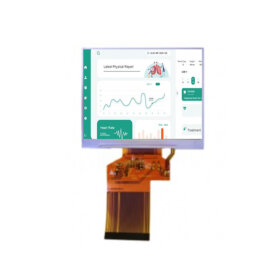
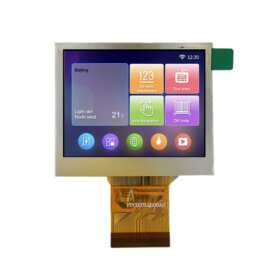 2.3 Inch TFT LCD Display 320x240 TTL ILI9342C LCD Module
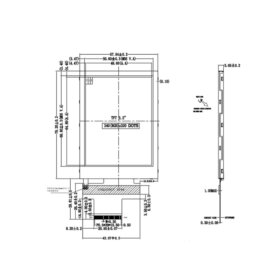 In Stock 3.2 Inch TFT LCD Display 240X320 MCU RGB SPI Reflective LCD Panel
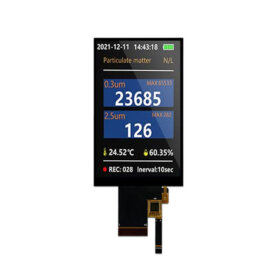 4.3 Inch TFT LCD Display 480x800 ST7701S IPS RGB 24 BIT LCD Module
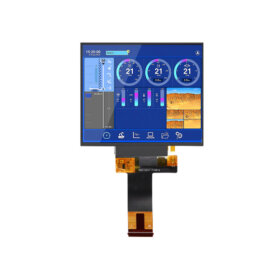
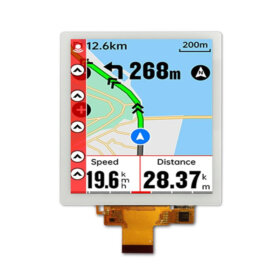 4.2 Inch Square Display IPS 720x672 TTL TFT LCD Display
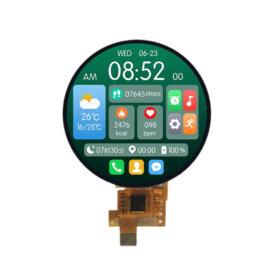 1.22 Inch Circular Display 240x204 SPI Round LCD Display For Wearable
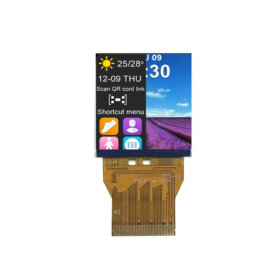 1.54 Inch Square Display 320x320 IPS TTL 700nits High Brightness TFT LCD Display