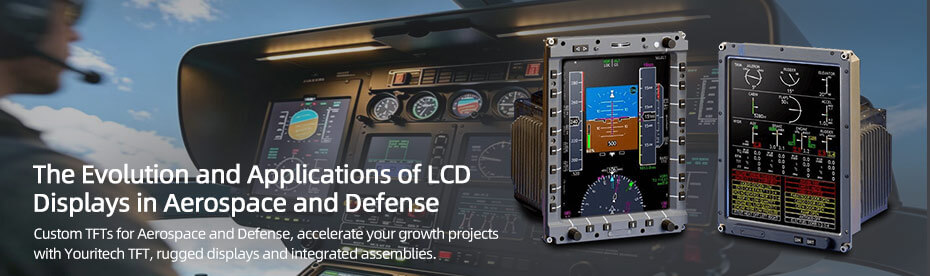
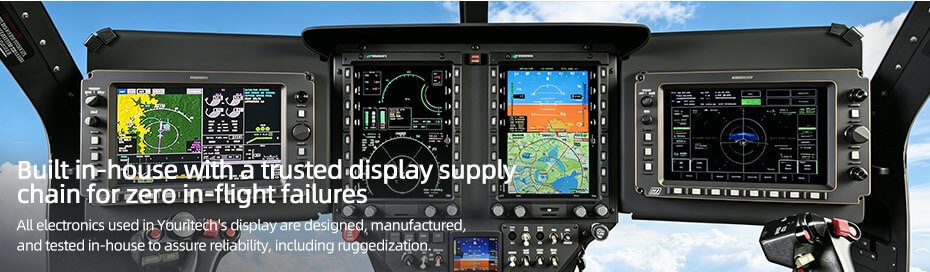
An Aerospace Display is a high-reliability visual interface system specifically designed for aviation and space environments, where performance, safety, and durability are mission-critical. It is widely used in cockpit avionics, flight control systems, mission computers, and UAV ground control stations. Compared with commercial or industrial displays, aerospace displays must operate reliably under extreme conditions such as wide temperature variations, intense vibration, high-altitude pressure changes, and strong electromagnetic interference. Therefore, they require exceptional optical performance, rugged mechanical design, and stringent system-level safety compliance. As modern avionics continue to evolve toward digitalization and intelligence, aerospace displays are advancing toward higher brightness, lighter weight, lower power consumption, and greater integration, becoming a core human-machine interface component in next-generation aviation systems. 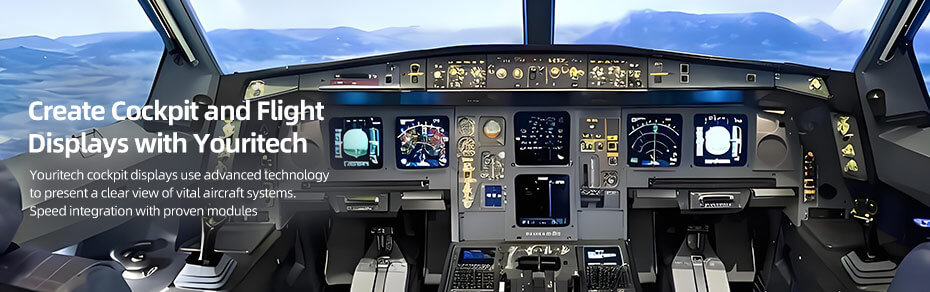

1. Define the Application First
Different aerospace uses require very different display priorities:
- Commercial aircraft cockpit (PFD/MFD)→ high brightness, redundancy, long life
- Military avionics / mission systems→ rugged, NVIS compatibility, wide temp
- UAV / drone ground control→ sunlight readable, low latency
- Cabin / passenger displays→ cost-efficient, high resolution, multimedia focus
2. Environmental Resistance (Most Critical Factor)
Key requirements:
- Temperature range:typically -40°C to +85°C or wider
- Vibration & shock resistance:MIL-STD-810 compliance
- Altitude pressure tolerance
- EMI/EMC shielding (critical for avionics safety)
- Humidity & condensation protection
3. Optical Performance (Visibility in All Conditions)
Aerospace environments vary from dark cockpits to direct sunlight.
Key specs:
- Brightness:800–3000+ nits (sunlight readable)
- Contrast ratio:high (for night + NVG use)
- Wide viewing angles
- Anti-reflective / anti-glare coating
- NVIS compatibility (Night Vision Imaging System)if military
4. Reliability & Certification Requirements
This is where aerospace differs most from industrial displays:
- DO-160 compliance(environmental conditions for airborne equipment)
- DO-254 / DO-178 integration considerations (system level)
- Long lifecycle support (10–15+ years availability)
- Redundancy support (fail-safe display architecture)
5. Display Technology Selection
- TFT-LCD (most common in aviation)
✔ stable, mature, cost-effective
✔ strong reliability history
- OLED (emerging in aerospace)
✔ high contrast, true black
✖ burn-in risk, certification challenges
- MicroLED (future high-end)
✔ ultra-bright, long life
✖ still developing in aerospace adoption
6. Integration & Human Factors
- Touch vs non-touch (many cockpits still prefer physical control redundancy)
- Glove operation support
- Night mode / NVG filtering
- AR overlay compatibility (HUD systems)
Quick Checklist (Before Choosing)
- Environmental spec (temperature, vibration, altitude)
- Certification needs (DO-160 or military standards)
- Brightness & optical performance
- Lifespan & supply chain stability
- Interface compatibility (LVDS / MIPI / HDMI / ARINC systems)
- Maintenance & field replaceability
If you want a more precise recommendation
- Aircraft type (commercial / UAV / military / cabin)
- Display size range
- Touch requirement
- Brightness target (sunlight or indoor)